
Exploring the Impact of Fertilizer Use on Nature and Grass Health
Lawn care is an essential task for many homeowners seeking a lush, green landscape. However, it is crucial to understand how maintaining this beauty impacts our planet. Fertilizers are commonly used to enhance lawn growth, yet their effects extend beyond just promoting healthy grass. This content explores how fertilization practices influence both your lawn’s health and the broader environment. Readers will gain insight into the benefits, challenges, and strategies for using fertilizers responsibly.
The Benefits of Using Fertilizers
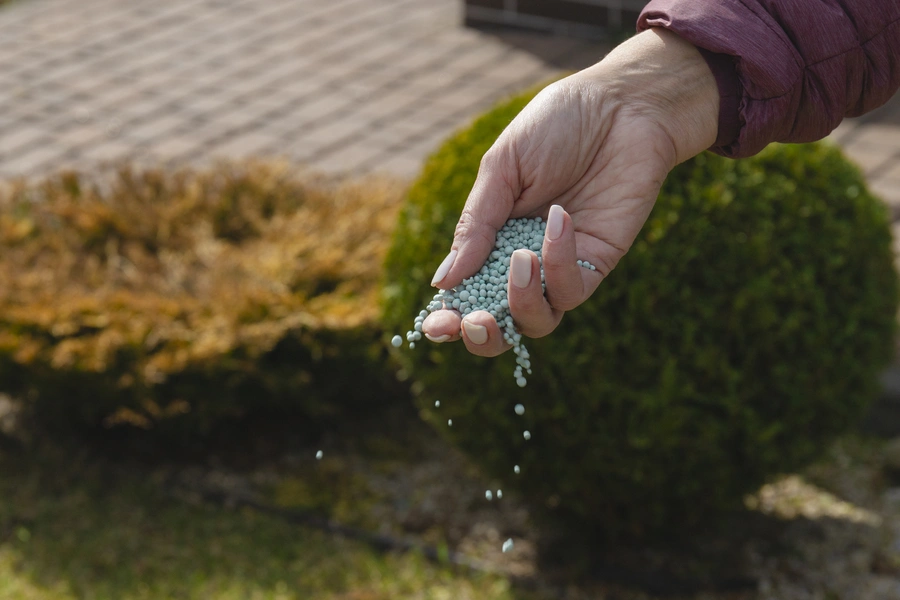
Using fertilizers can lead to vibrant lawns with rich color and robust growth. These products supply essential nutrients that help grass stay healthy and resist diseases. Some common advantages include improved root development, increased tolerance to drought, and enhanced aesthetic appeal. With proper application, fertilizers contribute significantly to a lawn’s vitality and appearance.
Understanding Environmental Concerns
While lawn fertilizing boosts grass health, it also poses certain environmental risks. Runoff from excess fertilizer can enter waterways, leading to nutrient pollution. This process causes issues like algal blooms in lakes and rivers, which deplete oxygen levels and harm aquatic life. It’s vital to be aware of these potential consequences when planning your lawn care routine.
Challenges in Using Fertilizers Wisely
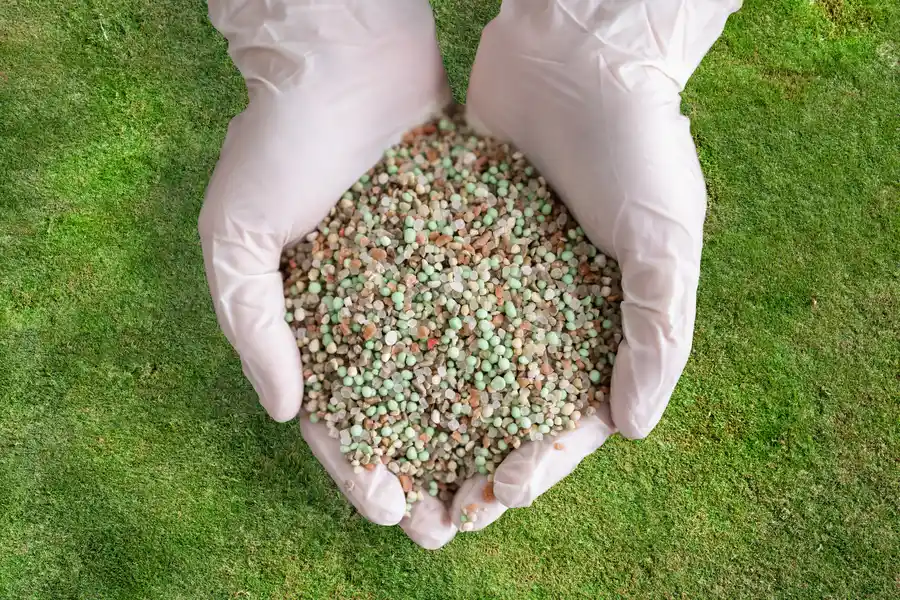
One of the main challenges in responsible lawn fertilizing is applying the right amount. Over-fertilization not only wastes resources but increases the risk of chemical runoff. Additionally, choosing the wrong type of fertilizer or applying it at incorrect times can reduce effectiveness. Homeowners must be informed about the specific needs of their grass types to avoid these pitfalls.
Steps for Responsible Fertilizer Use
To minimize environmental impact while maintaining a beautiful lawn, follow these steps:
- Test your soil to determine necessary nutrients before purchasing any fertilizer.
- Select organic or slow-release fertilizers to reduce the chances of runoff.
- Apply fertilizers during the growing season when grass can absorb nutrients effectively.
- Avoid fertilizing before heavy rains to prevent chemicals from washing away.
- Use spreaders for even distribution and adhere to recommended application rates.
Best Practices for Lawn Care
In addition to careful fertilizer use, several best practices enhance lawn maintenance:
- Mow regularly at the correct height to encourage root strength and prevent weed growth.
- Water deeply but infrequently to promote deeper roots and conserve water.
- Aerate annually to ensure proper air and nutrient flow within the soil.
- Maintain a diverse plant ecosystem in your yard to naturally deter pests.
- Monitor your lawn’s health periodically to adjust care routines as needed.
Considering Cost Implications
The cost of fertilizers varies widely based on type, brand, and application frequency. While organic options might have a higher upfront price, they often yield better long-term results by improving soil quality. Balancing initial expenses with potential savings from reduced pest control or watering needs is crucial in evaluating return on investment (ROI). Understanding these financial dynamics helps make informed decisions in sustainable lawn care.
Make Your Lawn Sustainable Today
Your choices significantly impact both the health of your lawn and our environment. By implementing thoughtful fertilization practices, we can enjoy beautiful yards while protecting natural ecosystems. For expert advice tailored to your local conditions, contact The Best of Texas Landscaping and Full Lawn Services Co today at (817) 241-8111. Located in Keller, TX, our team is dedicated to providing sustainable solutions for all your lawn care needs.